
January 1st, 1983 is considered the birthday of the Internet, the standard of TCP/IP was established leading to computers on different networks being able to ”talk” to each other. Almost 40 years later, this spark has led us to handheld devices with social media platforms such as Facebook, Twitter, and Instagram. This allows us to track and respond to real-time events as they unfold. Engaging with matters close to heart requires not more than a free-of-charge account, a computer of any form, and an internet connection.
In the center of endless possibilities is also the reality of the world we live in. Burning issues such as economic and gender inequality, racism, discrimination, and climate crisis are fought for alongside the pushback against globalism. The digital space can be used to create urgency regarding certain issues, but as the technologies develop so does the surveillance online. Governments all over the world use state of art technologies online and in the real world to protect their interests.
In this landscape, the possibilities of digital engagement are evident, such as the movements #fridaysforfuture and #blacklivesmatter. But the consequences must also be highlighted for individuals who engage with such content. Individuals who might not even be activists by their own definition.
Salma Al-Shehab
One such individual is Salma Al-Shehab, a mother, wife, and a PhD student. Shehab´s crime was retweeting tweets by Saudi dissidents calling for the release of political prisoners in the kingdom. One example is Loujain al-Hathloul, a prominent Saudi feminist activist who was previously imprisoned for supporting driving rights for women. Shehab was given a 34-year prison sentence upon her return to Saudi Arabia.
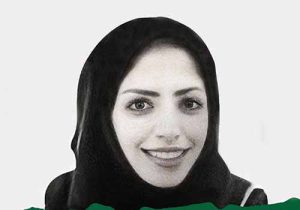
Twitter has been faced with allegations that Saudi officials have recruited and paid Twitter employees to identify and secretly report on individuals with so-called fake accounts.
This shows as an example, that digital media is a reflection of the social, economic and political structures in society. While digital media can be an important tool for empowerment, it is important to be aware of for whom and in which context. Regarding Twitter, Elon Musk buying the company has led to discussions on the negative effects it might have on privacy especially for individuals in the global south.
Growing digital inequality
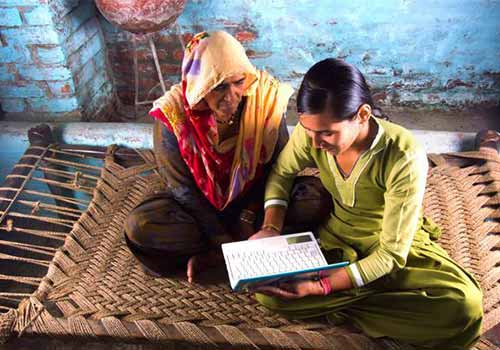
Equally important to follow are women’s rights in the digital space, especially since the gender gap is growing in developing countries and the global south, which might have an effect on whether or not women can make their voices heard. While organizations such as the UN and UNHCR are working to highlight these issues, much is left to be done.
Please comment – what do you think needs to be done to keep women safe in the digital space?

