
My morning routine is always the same, coffee and toast with jam. And with my breakfast, I browse the top news stories and renowned blogs online. Nowadays, inspiring exchanges of views and opinions are taking place between bloggers. So, I hope you will find this blog interesting, and feel encouraged to join our conversation.
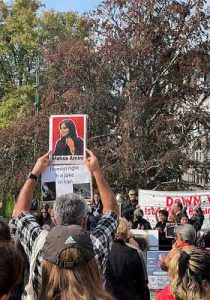
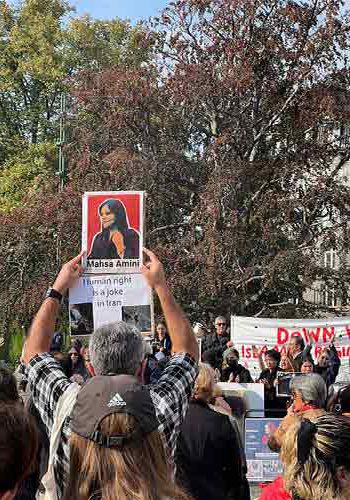
Lately, I have followed the news about the horrific death of Mahsa Amini and the violent demonstrations that are unfolding in Iran. The brutal death of a young woman is inspiring women and men to hit the streets in a country known for extreme acts of violence against its people. It brings back images from 2011 and the protests on Tahrir Square in Egypt; like their Egyptian counterparts, the Iranian police are now said to be using tear gas and making arrests to disperse protesters. Yet, could this be the start of change and something new, could it spark a revolt in Iran?
I believe that digital tools and social media may play a role in Iran among activists. In Egypt, activists were able to use social media to overcome censorship and organize and coordinate mass protests. Much has happened since then; digital tools are now widespread and fundamental to activism and social movements. At the same time, governments have learned to navigate and control the digital public sphere. Sometimes governments spread misinformation, or introduce different forms of censorship, which make it hard for ordinary people to sort facts from fiction, and truth from hoaxes. And in a repressive country, the use of social media may indeed be a brave act. In Iran, for example, the regime has a powerful and extensive digital security service. The other day, as videos of women burning their hijabs were shared multiple times on Twitter, the internet and digital platforms were closed down to control and curb growing anger on social media over the death of Mahsa Amini.
Despite these challenges, it is impossible to deny the impact that social media has on raising awareness about social justice and civil rights. When it comes to feminism, digital tools and social media have the potential to support women’s empowerment, as they allow women to connect and communicate across physical and social boundaries. They may also mobilize and inspire women to participate in rallies in the fight for equality and justice. However, digital tools tend to be skewed in favour of the already successful, talented, and well-connected population. So, there is a risk that these technologies at the same time amplify existing inequalities. To cope with this, it is key to make digital technology affordable and accessible to women and increase women’s media literacy. Do you agree that social media can be a powerful tool in the hands of women to amplify their voices, shape public opinion, and mobilize society to address social issues? What are the challenges?
Whereas the protests are continuing in Iran, fears are growing that security forces will violently track and crack down on both street and online protesters. The internet blackouts may also be used to enable an expansion of the Iranian national internet, thereby cutting Iran off from the rest of the world. So, it remains to be seen if Mahsa Amini’s death will become a critical spark in achieving social change in Iran. Or, if it is an ember, that in time cools off. Do you work with feminist activism? What are your experiences of using social media, and what would you advise women activists to do in this grim situation?
Next time, let us discuss more about women, the internet inclusion gap, and the risk of lasting inequalities.

